Human Foods Chihuahuas Should Never Eat
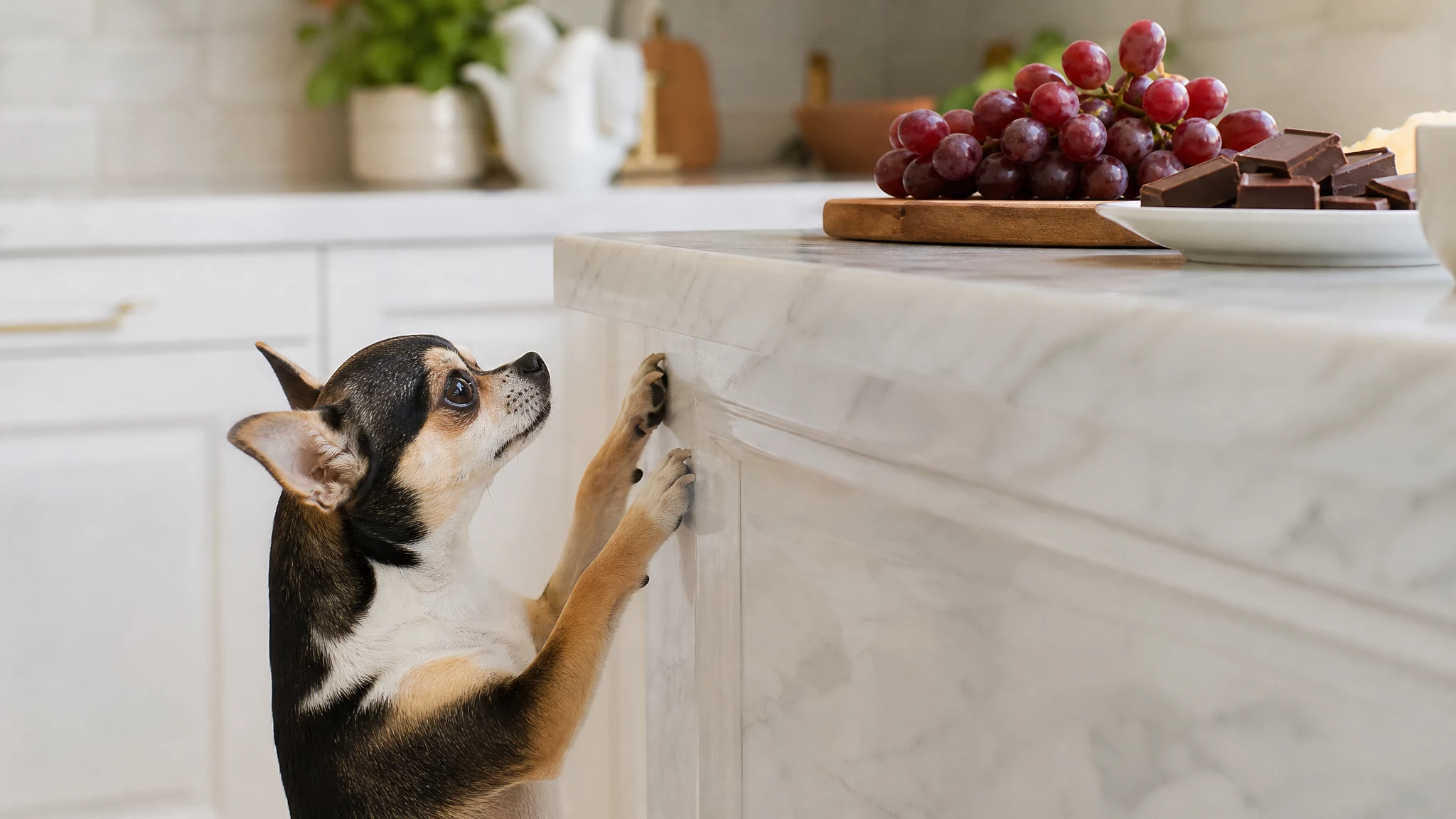
General nutrition information compiled from product labels and published sources, not veterinary advice. Your veterinarian is the right person to choose a diet for your dog, especially one with a health condition.
Chihuahuas are small, and a Chihuahua's size leaves little room for error. Hill's Pet Nutrition lists adults at about 2 to 6 pounds, so a bite that seems trivial to a person can be a big deal for this breed. These answers cover what Chihuahuas should not eat, which human foods dogs can't eat safely, and which snacks are usually considered reasonable.
The toxic foods below come from the kind of lists the ASPCA Animal Poison Control Center publishes. We did not test any of these foods ourselves. If you are unsure about a specific food or a specific dog, ask your veterinarian.
The Basics
Why are human foods such a bigger risk for a Chihuahua?
Chihuahuas are toy dogs. Hill's Pet Nutrition says they seldom exceed six pounds, so a little food is a large share of their body weight. A food that is merely upsetting to a big dog can be serious for a Chihuahua.
What can Chihuahuas not eat?
The ASPCA's poison guidance names chocolate, caffeine, grapes and raisins, xylitol, onions, garlic and chives, macadamia nuts, alcohol, and raw yeast dough, among others. The answers below explain each. The list is not complete, so ask a veterinarian or poison control about any food not covered here.
Is there a safe amount of a toxic food?
We cannot give you one, and this page does not offer doses. Reactions depend on the dog, the food and the form it came in. Treat any listed food as off limits, and call for advice if your dog gets into it.
Do these rules apply to puppies and seniors too?
Yes, and puppies deserve extra care. Wikipedia notes that hypoglycemia (low blood sugar) is a concern in toy-breed puppies, so a puppy that eats junk and skips real meals is a worry. Your veterinarian can tell you what is right for your puppy's age.
Sweets, Caffeine and Sweeteners
Can Chihuahuas eat chocolate?
No. The ASPCA lists chocolate as toxic to dogs because it contains compounds called methylxanthines. Dark and baking chocolate are generally described as the more dangerous kinds, but all of it should stay out of reach.
What about coffee, tea and energy drinks?
Caffeine is also a methylxanthine, and the ASPCA lists it as a danger to dogs. Coffee grounds, tea bags and caffeinated drinks should be kept where a Chihuahua cannot reach them.
Why is xylitol so dangerous?
The ASPCA warns that xylitol, a sugar substitute, is toxic to dogs. It turns up in sugar-free gum, some candies, baked goods and certain peanut butters. Read the label on any human food before it goes near your dog, and call for help right away if xylitol may have been eaten.
Can Chihuahuas have ice cream or sweets?
Sweets are not toxic by nature, but many contain chocolate, xylitol or raisins. They add calories a tiny dog does not need. Wikipedia lists patellar luxation among Chihuahua concerns and notes weight control matters for it, so empty calories are worth avoiding.
Fruits, Nuts and Produce
Can Chihuahuas eat grapes or raisins?
No. The ASPCA lists grapes and raisins as toxic to dogs and says they can be linked to kidney problems. The exact cause is not well pinned down, which is one more reason to skip them entirely, including in trail mix and baked goods.
Are macadamia nuts a problem?
Yes. The ASPCA lists macadamia nuts as toxic to dogs. Other nuts can be hard to digest or high in fat, so it is simplest to keep nuts off the snack list.
Can Chihuahuas eat onions, garlic and chives?
No. The ASPCA lists onions, garlic, chives and leeks as harmful because they can damage red blood cells. Cooked, raw and powdered forms are all a concern, which is why leftover soups, sauces and seasoned meats are risky.
What about avocado, fruit pits and corn cobs?
The ASPCA lists avocado as a concern because of a substance called persin. Pits, cores and cobs are choking or blockage hazards, which matters a lot for a dog with a small throat. Remove them from any fruit before sharing a piece.
Drinks, Dough and Kitchen Hazards
Is alcohol dangerous for a Chihuahua?
Yes. The ASPCA lists alcohol as toxic to dogs, and that includes foods and products that contain it. Never leave drinks or cocktails where a Chihuahua can lap them up.
Why is raw bread dough on the list?
The ASPCA warns that raw yeast dough can expand in the stomach and produce alcohol as it ferments. Keep rising dough covered and out of reach, and call your veterinarian if your dog eats some.
Are cooked bones a good chew?
Not usually. Cooked bones can splinter, and any bone can crack a small dog's teeth or lodge in the throat. Ask your veterinarian which chews suit your dog.
Is salty, fatty or heavily seasoned food okay?
It is best avoided. Table scraps are often rich, salty and seasoned with onion or garlic, which are on the ASPCA's list. A fatty handout can also upset a small dog's stomach.
Safe Snacks and Feeding
Can Chihuahuas eat plain cooked chicken or vegetables?
Plain, unseasoned cooked chicken and simple vegetables such as cooked carrot are commonly offered as occasional treats. Skip the oil, salt, onion and garlic. Check with your veterinarian before adding anything new, especially if your dog has a health condition.
How many treats are too many?
We cannot give a number for your dog. Treats should stay a small part of the day's food, because a complete and balanced dog food is meant to supply the nutrition. Your veterinarian can help you set a sensible treat budget.
Can a good dog food replace the need to share human food?
Yes, a dog does not need table scraps. Many complete foods are formulated for small dogs, and you can see how some of them compare on their labels in our label-by-label dog food comparison. We compared label data only; we did not run feeding trials or taste tests.
If Your Chihuahua Eats Something Dangerous
What should I do right away?
Take the food away, keep your dog calm, and call your veterinarian or an emergency clinic. You can also contact the ASPCA Animal Poison Control Center; check the ASPCA website for its current phone number and any consultation fee. Do not wait for symptoms to appear.
Should I make my dog vomit?
Not on your own. Whether vomiting is appropriate depends on what was eaten and when, and it can be harmful in some cases. Let a veterinarian or poison control professional decide.
What should I have ready when I call?
Have the food or its packaging, your dog's approximate weight, and the time it was eaten. Mention any symptoms you have noticed, such as vomiting, tremors or unusual tiredness. That helps the professional advise you quickly.
Sources
For the current toxic food list and poison control contact details, see the ASPCA Animal Poison Control Center on the ASPCA website.